In September 2018, during the “XV Paulista Congress of Urology”, chaired by Flávio Eduardo Trigo-Rocha (Photo 1), the “First Meeting of Lithiasis and Minimally Invasive Surgery in Latin America” was held. This event was a success, with the participation of 570 attendees and several foreign panelists such as Mariano Gonzalez (Argentina), Fernando Marchant (Chile), Alfredo Mendoza Luna (Colombia) and José Gadú Salcedo (Mexico) (Photo 2 and Photo 3), who discussed cases of urinary lithiasis and presented videos of surgeries.
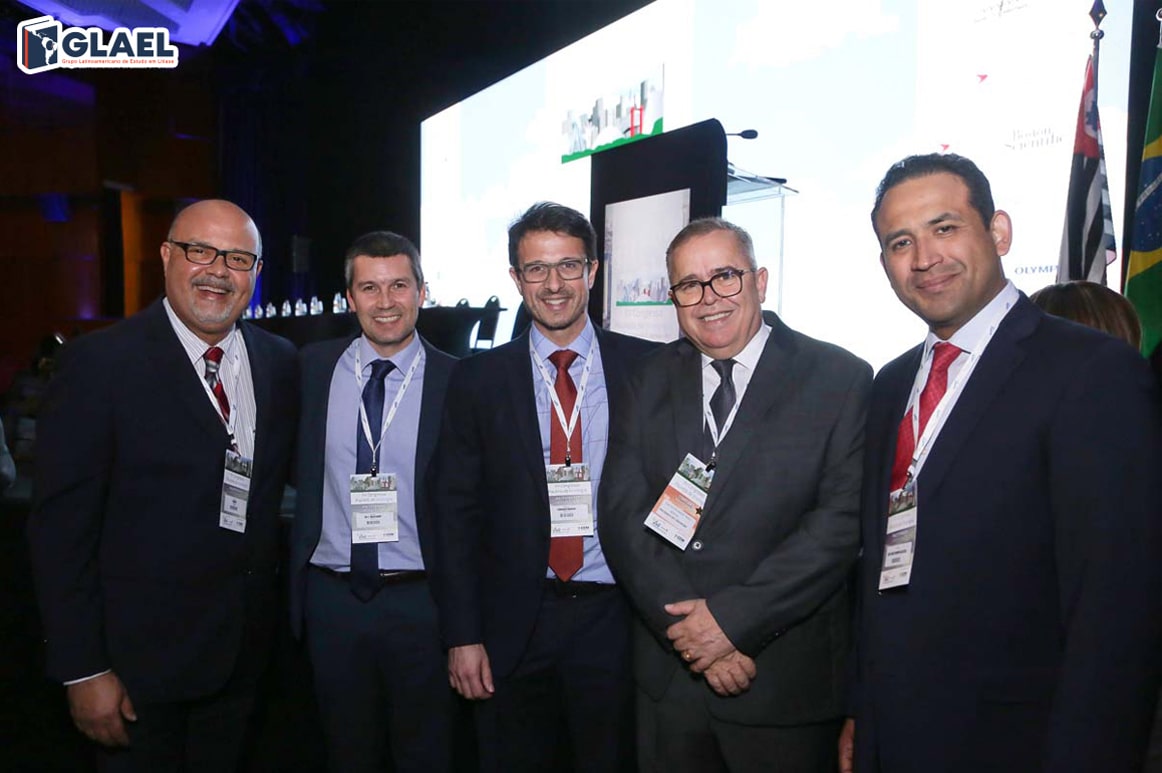
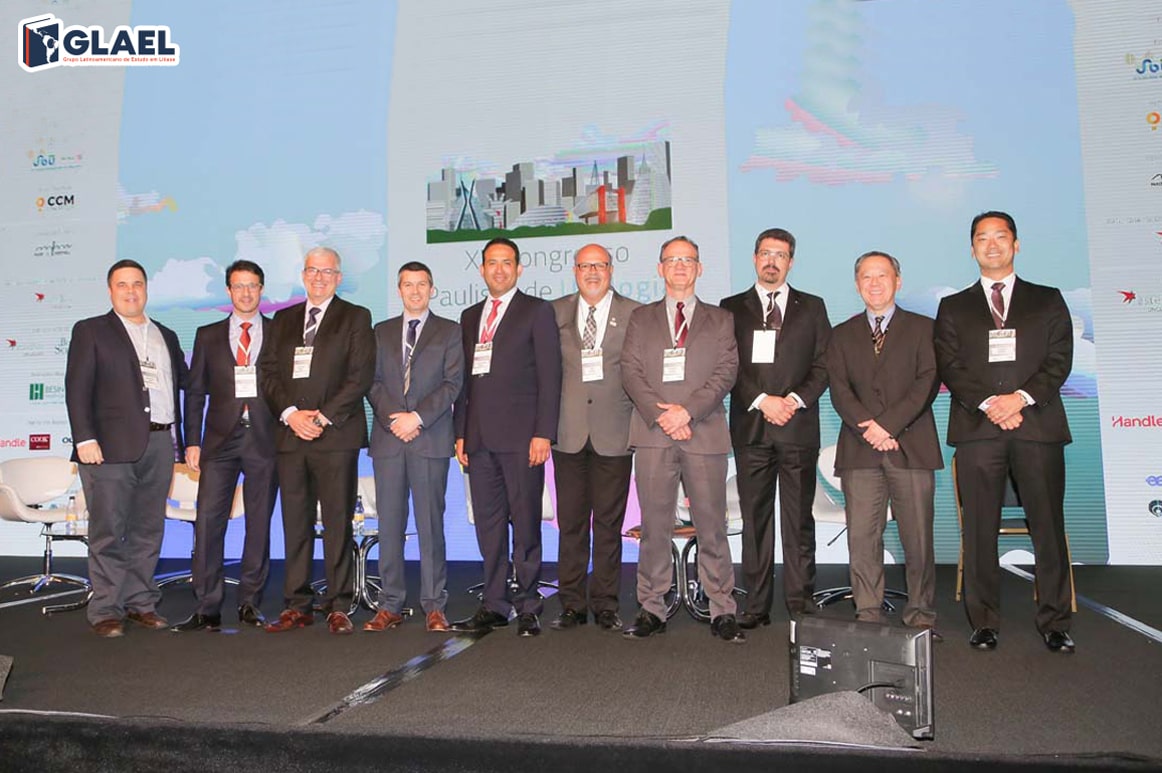
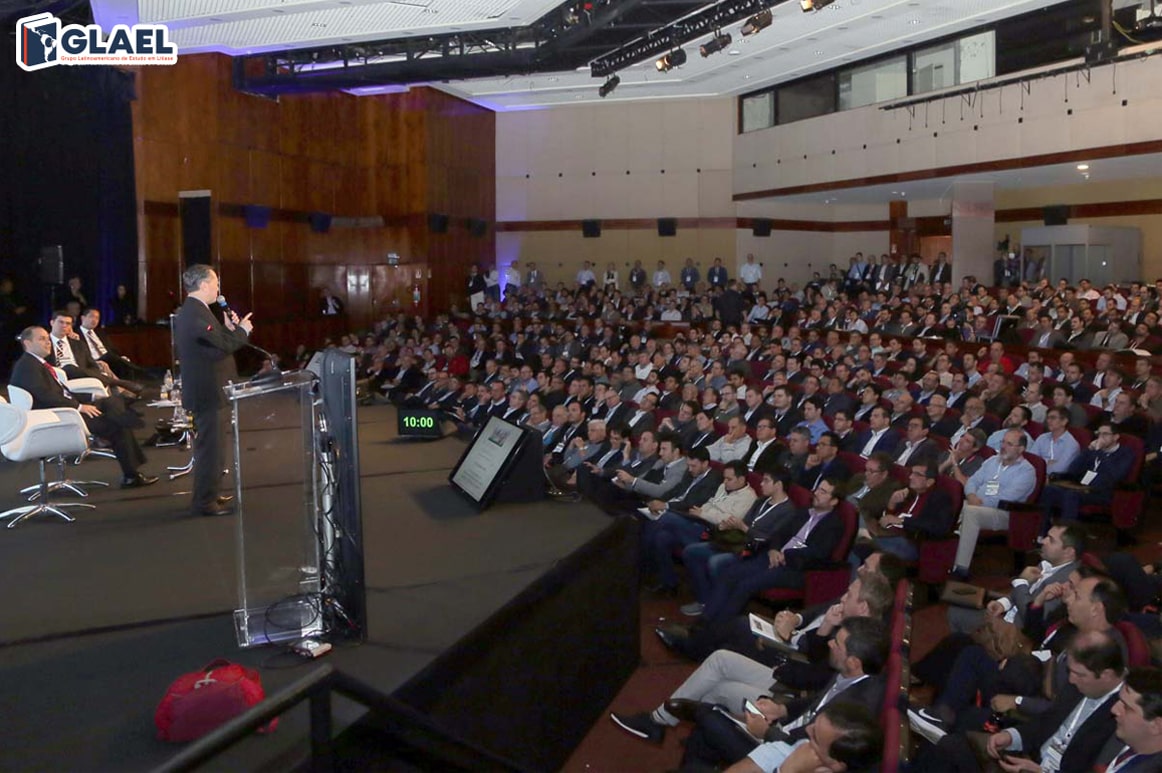
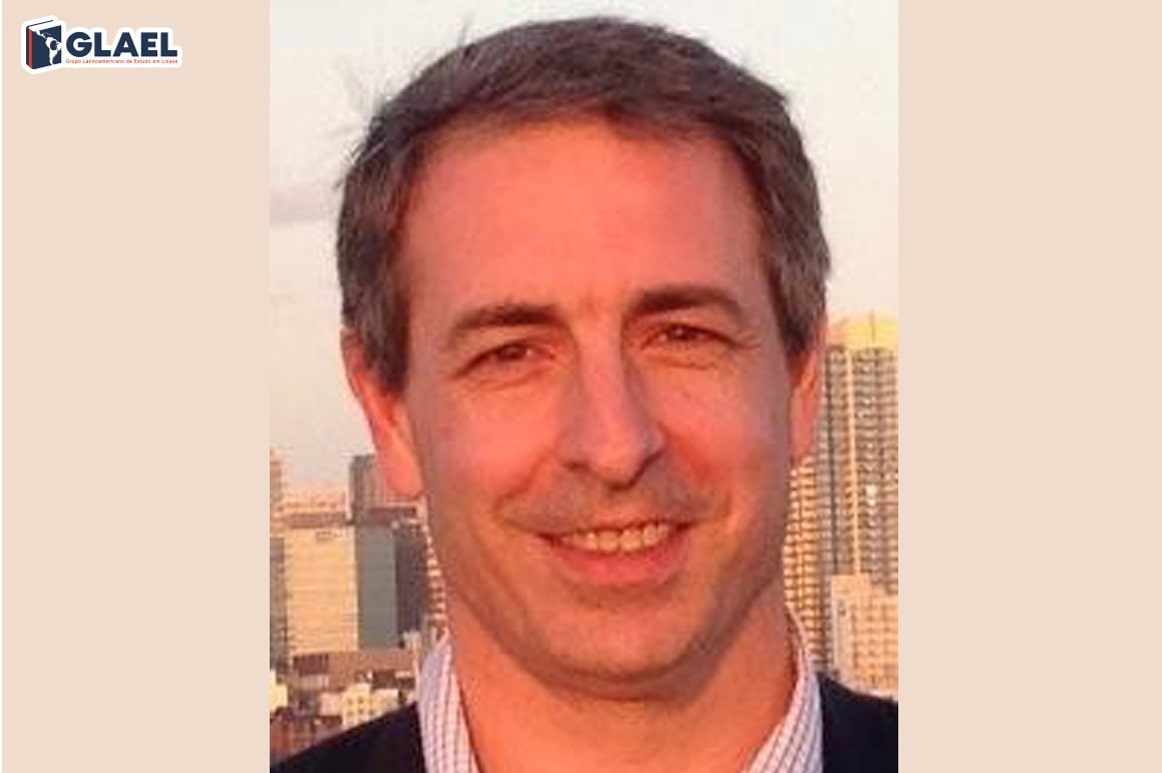
At the same time, at the initiative of João Luiz Amaro – president of the Brazilian Society of Urology (SBU-SP) 2016/2017 accompanied by colleagues such as Oscar Eduardo Fugita and Marcelo Denilson Baptistussi and also the previously mentioned foreign colleagues, the “ Latin American Group for Studies in Lithiasis ”(GLAEL); whose focus will be to carry out studies on the population of Latin America (Photo 4). Subsequently, Norberto Bernardo (Argentina) was added to the Group (Photo 5).
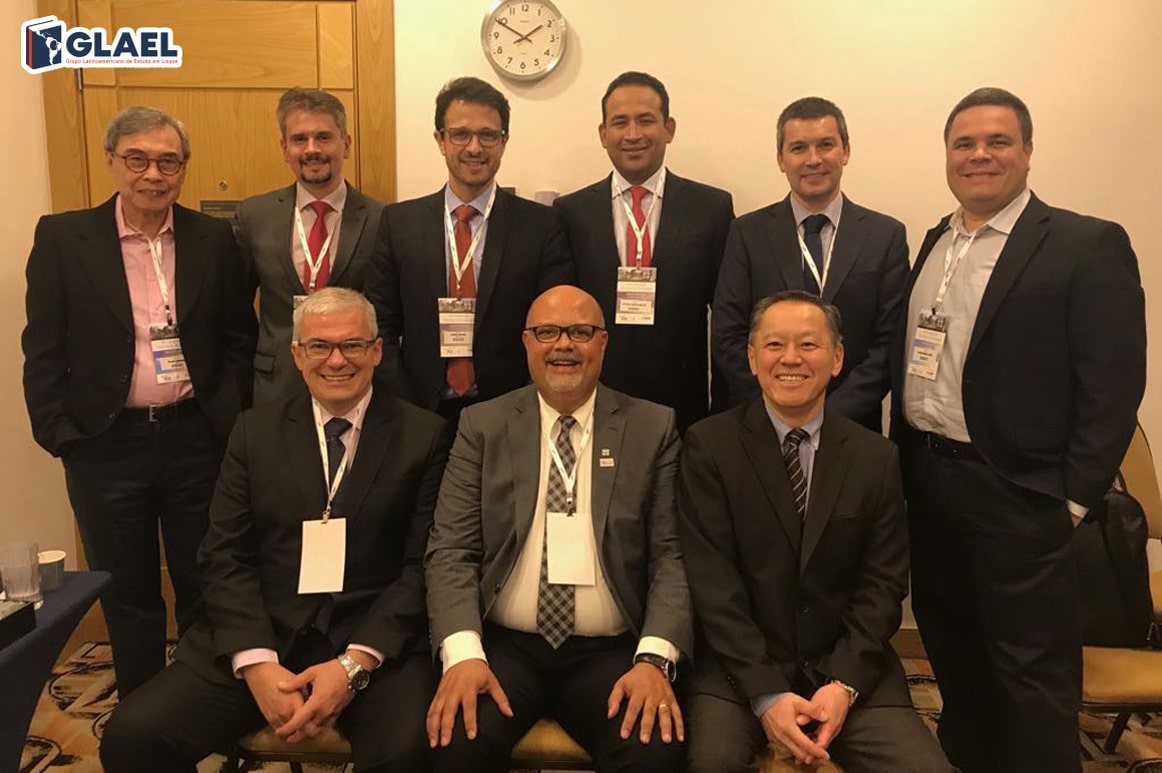
The objective of GLAEL is to develop the database of patients with urinary lithiasis in Latin America, respecting regional characteristics such as the diversity of eating and climatic habits, in addition to the different socioeconomic realities that can influence the diagnosis and treatment of this disease.
For the development of this online database, which will follow the premises of international research, as well as for its maintenance, the organization of scientific events, the publication of articles in newspapers and for the participation / presentation of works in international events. Based on the data collected by the Group, an association was established with the financial support of Boston Scientific Corporation.
These studies carried out by GLAEL will improve care for patients with lithiasis, proposing specific social and behavioral actions for each region; which will result in an improvement in the diagnosis and treatment of this disease. With these actions, we hope to achieve a significant social impact in the countries of Latin America.